
Lihat juga


 13.07.2026 11:00 AM
Escalation in the Middle East and rising oil prices have rekindled inflation fears and are weighing on gold and silver. Higher energy costs and a stronger dollar have also intensified outflows from risk assets, driving down Bitcoin and most altcoins. At the other end of the spectrum, TSMC is reporting record demand and revenue growth amid the AI-chip boom. Meanwhile, Google quietly published a preview of "Magic Pointer" on the Play Store — a sign that Gemini integration into interfaces and future Googlebook devices could boost demand for AI hardware and related stocks. Together, these stories increase volatility and create trading opportunities across commodities, FX, crypto and tech markets.
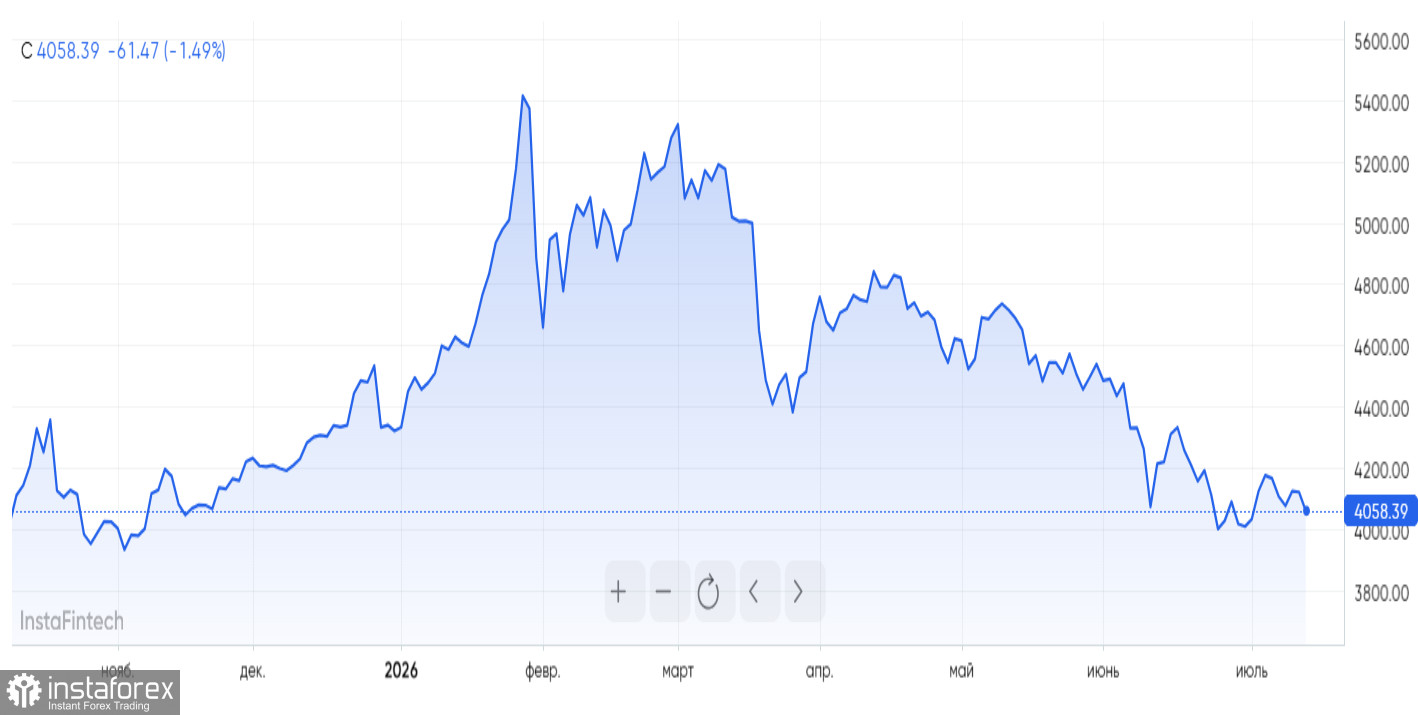
Gold prices continued to fall on Monday: XAU/USD dropped 1.54% to $4,057.76 per ounce. Silver fell harder — XAG/USD was down 2.80% to $58.19 per ounce; platinum slipped about 1.61%. The reason: higher oil prices following another escalation in the Middle East and renewed inflation expectations, which make yieldless gold less attractive.
What happened? Over the weekend, the US struck new targets in Iran after an attack on a Cyprus?flagged vessel in the Strait of Hormuz. Iran threatened to close the strait, although US officials deny that — ceasefire talks remain fragile.
Oil reacted with roughly a 3% rise as the market feared supply disruptions through the Strait of Hormuz, which carries about one-fifth of global oil. Higher energy prices stoke inflation risks.
Against this backdrop, investors increased bets on tighter Fed policy: rising yields and a stronger dollar are weighing on gold, which produces no income.
The minutes of the Fed's June meeting signaled a hawkish tilt: several committee members viewed rate hikes as justified despite easing labor market concerns.
The next Fed meeting is scheduled for July 28–29, and Tuesday brings the US CPI report and Fed Chair Kevin Warsh's first Congressional testimony — events that could set the tone for gold.
IG analyst Tony Sycamore notes that gold remains sensitive both to geopolitics and inflation. He says the metal found support near the psychological $4,000 level last week. A sustained break above $4,200–4,220 could clear the way to the 200?day moving average near $4,491.
At the same time, a stronger-than-expected CPI could boost expectations of another Fed hike and support the dollar, adding pressure on gold. Softer inflation, conversely, would help the market stabilize after recent losses.
The current situation creates trading opportunities: volatility in commodities and FX opens space for short- and medium-term strategies, especially in instruments tied to gold, silver, oil, and the dollar.
The instruments discussed are available for trading on the InstaTrade platform. If you want to act on the market situation, open an InstaTrade trading account and download the company's mobile app to access trades and respond quickly to market moves.
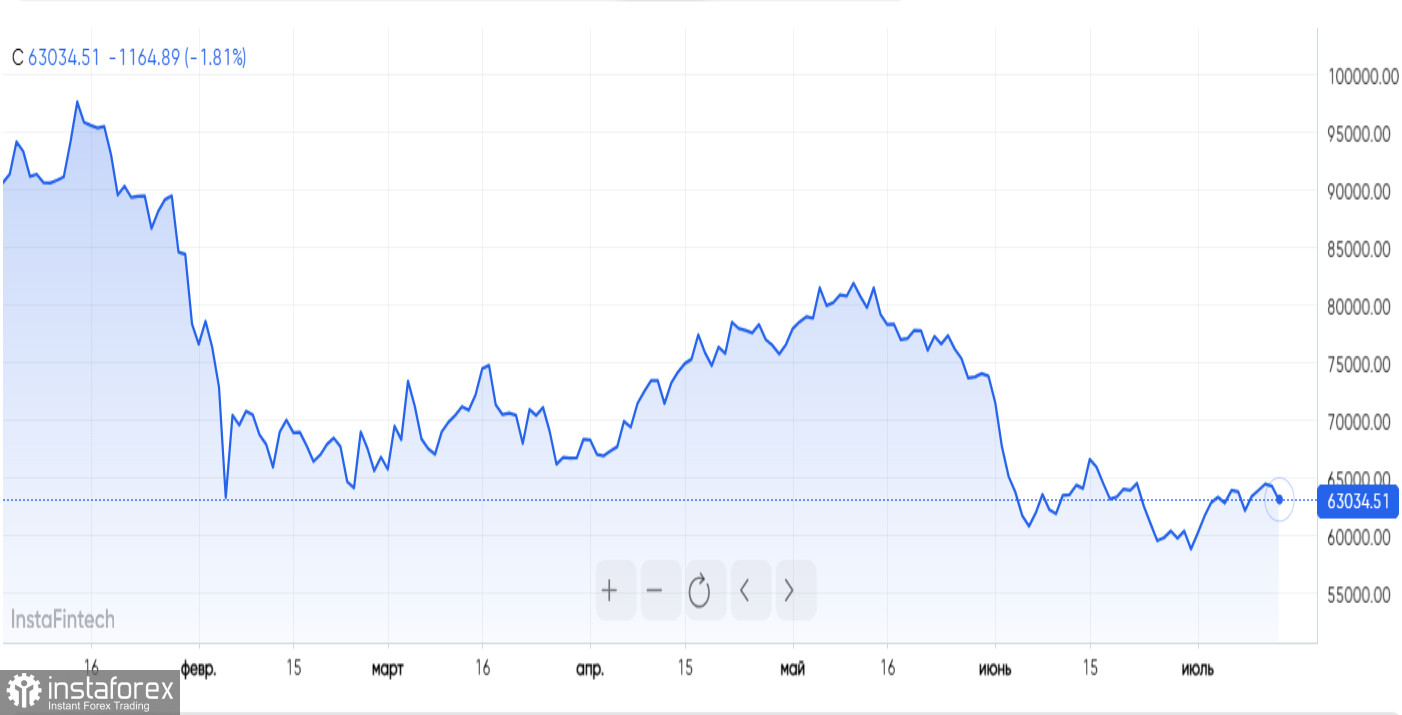
Early in the Asian session on Monday, Bitcoin fell more than 2% to roughly $62,770, according to TradingKey — a decline of about 2.18% from the previous close. Over the weekend, BTC briefly rose to $63,800 and even touched $64,000, but sellers returned and pushed the price down.
A factor that intensified pressure on risk assets was oil: The New York Times reported that after the new US strike on Iran, Brent jumped more than 4% and topped $79/bbl.
Higher oil prices reignited inflation concerns among investors — in such conditions, global markets typically see reduced appetite for risky instruments, including cryptocurrencies.
The broader crypto market also looked weak: coins like XRP, Solana and Dogecoin fell. This weakness has continued since late June, when the Fed's preferred inflation gauge hit a three-year high, and that dynamic still weighs on demand.

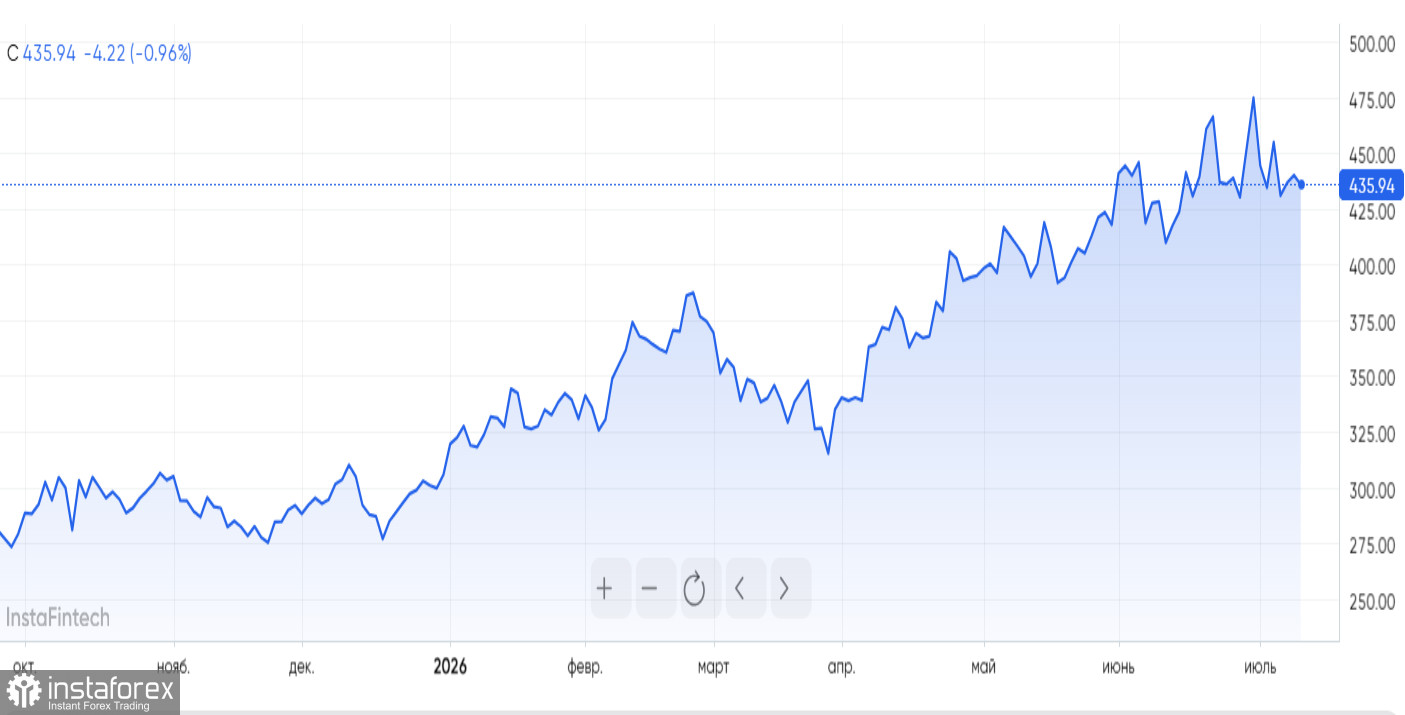
TSMC reported impressive results: Q2 revenue rose 36% year-on-year, and June reached a record TWD 442.68 billion. These figures underscore that demand for AI chips continues to drive the world's largest semiconductor foundry.
The company published its monthly revenue report with a slight delay because a typhoon made July 10 a holiday in Taiwan. June sales were up 67.9% year-on-year and 6.2% above May.
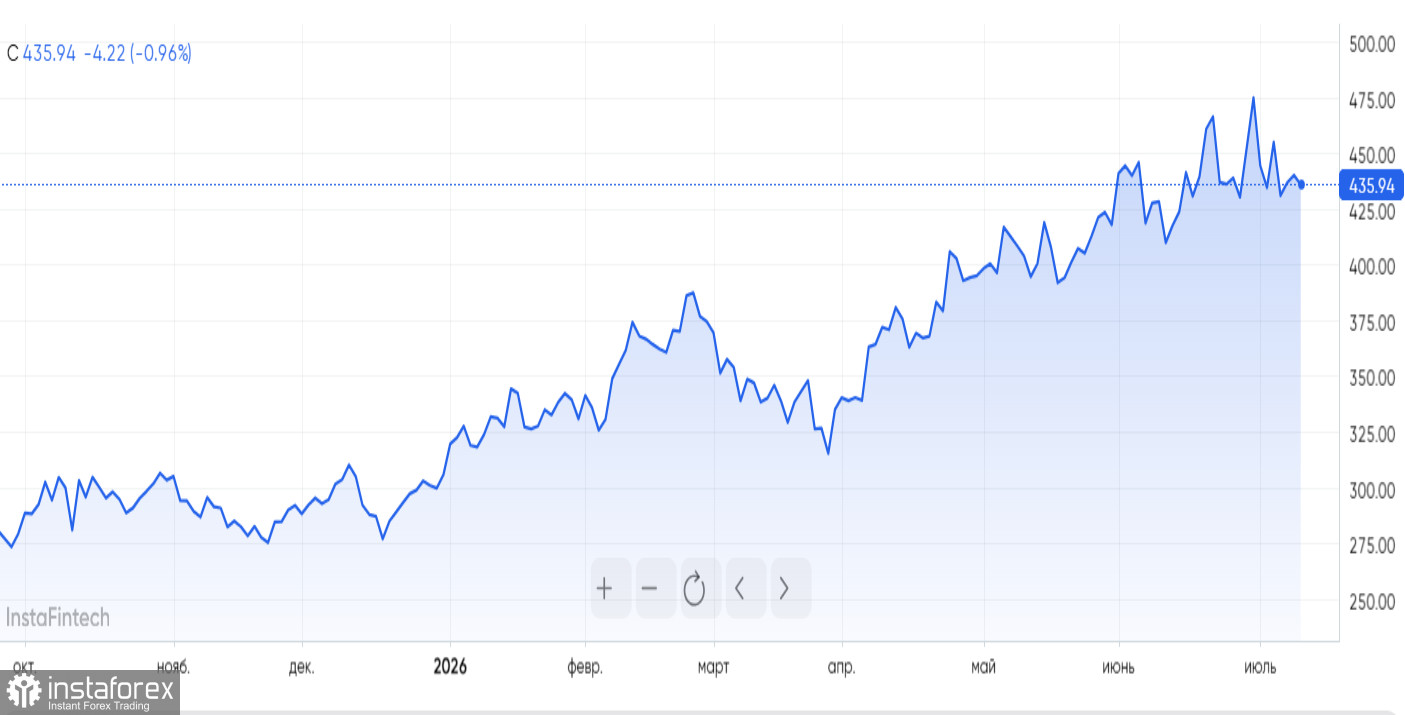
TSMC's revenue totaled TWD 2,404.48 billion in H1 2026, and quarterly results exceeded the company's guidance range of $39–40.2 billion that was given in April.
These results highlight TSMC's central role in building global AI infrastructure: the company has reported double-digit revenue growth for more than eight consecutive quarters. The market appears to be retooling for AI computing needs, and demand for advanced process nodes remains strong.
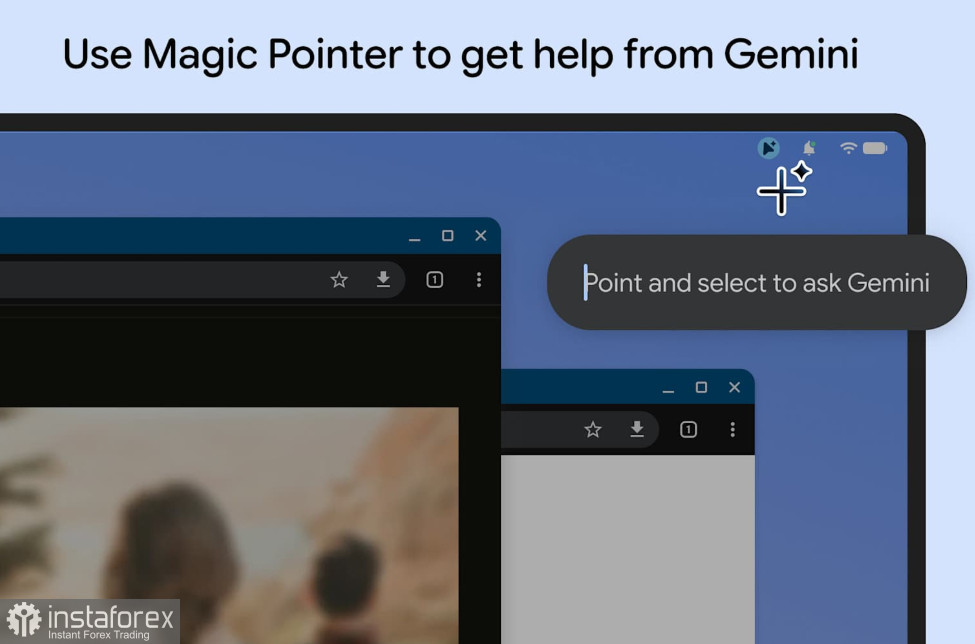
Yesterday, Google quietly released a new app called Magic Pointer on the Play Store. There was no major announcement, but the app is already listed and described as a tool that lets you "point and select objects to get help from Gemini" — i.e., context-aware AI prompts and assistance directly in the UI.
9to5Google first spotted the release: it arrived amid anticipation of further details about Googlebook — the new notebook category Google showcased on The Android Show in May and plans to present this autumn.
Magic Pointer is positioned as a key feature of that platform. According to Google DeepMind's description, Magic Pointer is more than a cursor: it uses Gemini to understand the visual and semantic context of what you're pointing at or clicking. A slight hover activates the model, which then offers contextual actions — from a short auto-summary of a PDF and adding an event to your calendar from a concert poster to merging columns in a spreadsheet by a simple voice command. The idea is to make workflows more dynamic and intuitive with prompts that appear where you're actually looking and interacting.
For now, this looks like an early preview — Google is letting users and developers explore the concept ahead of any hardware launch.
The app's presence in the Play Store gives insight into how Google plans to integrate Gemini into the interface: not as a separate panel but as an interactive layer over the regular desktop.
This new AI integration into everyday work tools will continue to push demand for devices with advanced compute capabilities and AI support. More details on Googlebook hardware and developer and OEM responses are expected in the coming months.
Traders can take advantage of these developments: AI-hardware and software news often sparks volatility and creates trading opportunities in related stocks and sectors.
Reminder: the instruments mentioned are tradable on the InstaTrade platform — open an account and download the mobile app to trade.


