
यह भी देखें


 01.07.2026 01:12 AM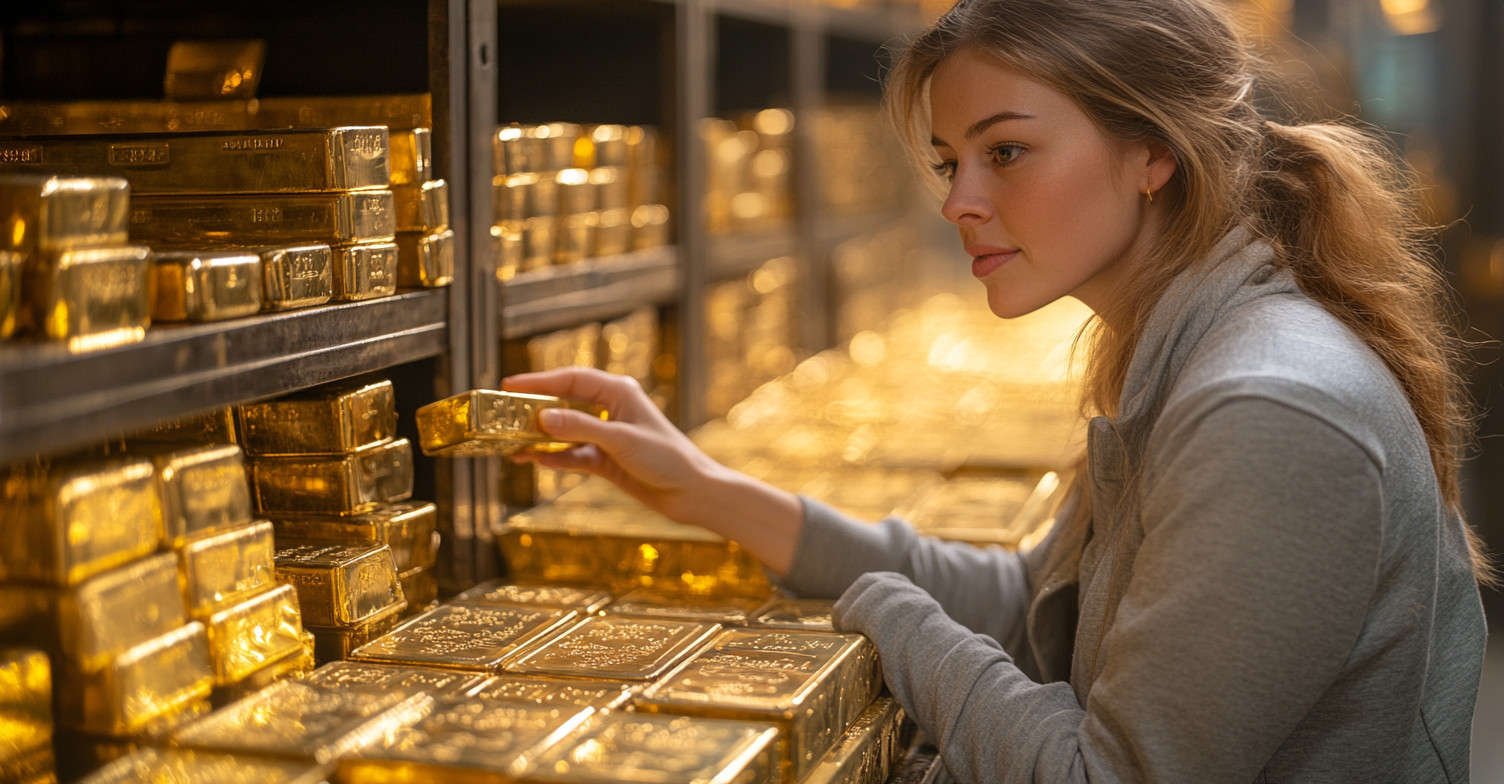
OMFIF has recorded a historic turning point: for the first time in the organization's survey history, a majority of the world's central banks plan to reduce the share of the dollar in their reserves over the next decade rather than increase it. This conclusion was drawn by analysts following a survey of 90 central banks, sovereign wealth funds, and pension funds with a total of approximately $10 trillion in assets.
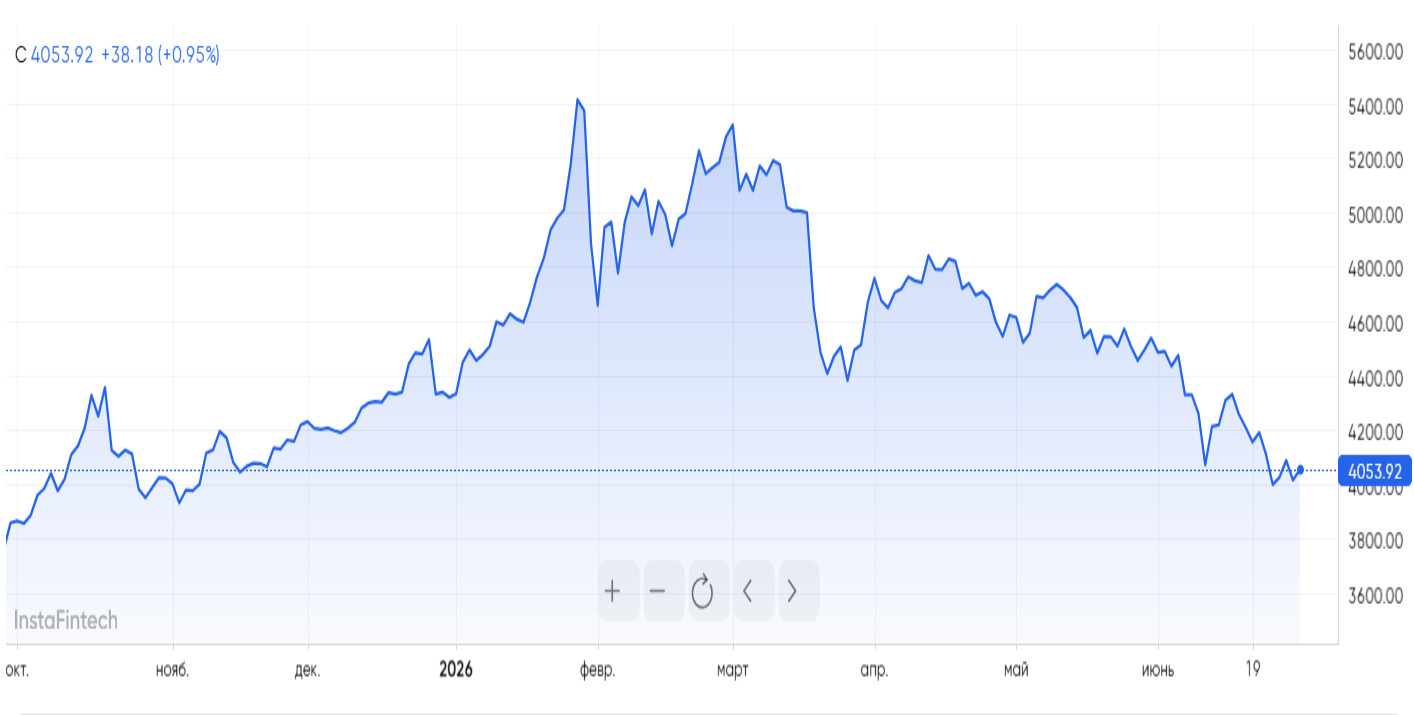
The main beneficiary of this dedollarization has been gold. 30% of respondents plan to increase their investments in precious metals over the next 1 to 2 years, the highest figure among all asset classes, according to the OMFIF report.
Central banks are identifying physically backed ETFs, primarily SPDR Gold Shares, as a direct tool for increasing their gold holdings. Experts emphasize that it is through such funds that institutional demand is transformed into exchange liquidity accessible to a broad range of investors.
OMFIF also notes a shift in perceptions of the global monetary system: 79% of surveyed central banks and 60% of sovereign funds believe the system is moving toward a "multipolar" arrangement, Reuters reports, citing the study. Among the currencies gradually increasing their share in reserves are the Norwegian krone, the New Zealand dollar, and the British pound.
"The previous assumption that state investors could wait for normalization of the situation appears increasingly unrealistic," says OMFIF's senior economist Yara Aziz. According to her, geopolitical turbulence and trade wars have accelerated a structural re-evaluation of reserve policies.
China is already seeing results from its strategy: the country's gold reserves have exceeded $340 billion, and their share of foreign exchange reserves has doubled over the last three years. This trend aligns with global dynamics: central banks worldwide have been purchasing an average of 1,000 tons of gold annually over the past four years, double the average of the preceding decade.
This shift in reserve policy could increase pressure on the dollar's role in international finance and further stimulate demand for gold and alternative currencies in global markets.
You have already liked this post today
*यहां पर लिखा गया बाजार विश्लेषण आपकी जागरूकता बढ़ाने के लिए किया है, लेकिन व्यापार करने के लिए निर्देश देने के लिए नहीं |

