یہ بھی دیکھیں


 19.01.2026 09:26 AM
The dollar sharply weakened against a number of risk assets, for objective reasons.
Despite a sharp rise in US industrial production volumes and statements by Fed officials, the US dollar fell significantly today. Certainly, last Friday — before Trump's sharp statements about Greenland and tariffs on the EU — the increase in industrial production was a pleasant surprise for traders who feared a slowdown in US economic growth. The rise in production volumes indicates resilience in the US economy and fuels hopes for further growth. At the same time, Fed officials' remarks hinting at the possibility of more restrained monetary policy also contributed to dollar strength.
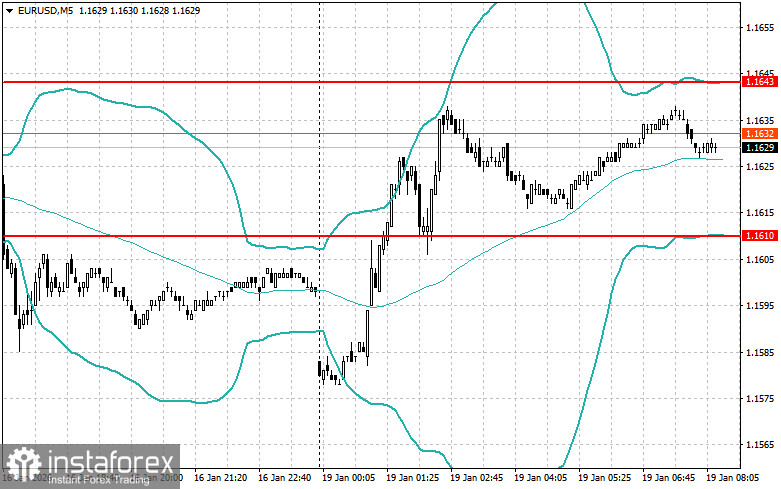
However, during Asian trading today, the dollar's strength quickly ended when it became known that the US would impose an additional 10% tariff on eight EU countries starting February 1. As for data, today the eurozone consumer price index figures and the core index for December of last year are expected. The Eurogroup will also meet. A rise in the CPI could strengthen the European Central Bank's case for pausing the rate-cut cycle. The core index, which excludes volatile components such as energy and food prices, will allow a more precise assessment of the persistence of inflationary pressure.
The Eurogroup meeting will also be important. Eurozone finance ministers will discuss the current economic situation and budget policy coordination.
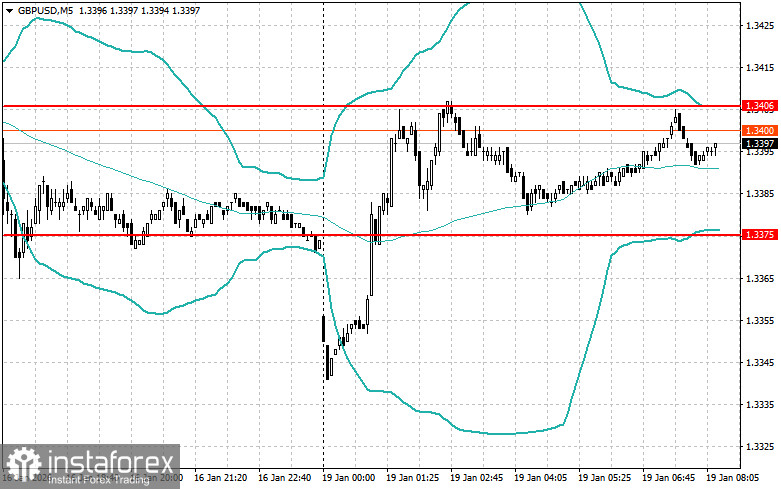
Regarding the pound, there are no UK data today. Therefore, everyone will continue to closely follow developments around Greenland. A question that seemed peripheral and geographically distant yesterday is now taking on clearer contours as a potential geopolitical node capable of affecting Europe's energy security, transatlantic relations, and even the Arctic strategies of Russia and China. US interest in Greenland is explained not only by its rich mineral deposits, including rare-earth metals critical to green energy development, but also by its strategic location, which allows control over Arctic sea routes, which are growing in importance due to global warming.
If the data match economists' expectations, it is better to act using a Mean Reversion strategy. If the data are much higher or lower than economists' expectations, it is best to use a Momentum strategy.