
یہ بھی دیکھیں


 27.04.2026 01:01 PM
Today, only the Canadian dollar and the Japanese yen were traded using the Momentum strategy. I did not execute any trades using Mean Reversion.
The euro was slightly affected by the latest GfK data, which showed a sharp decline in Germany's consumer climate index. Consumer activity weakened, but later the euro resumed its upward movement. A similar situation occurred with the British pound after weak retail sales data was released.
At the same time, rising tensions in the Middle East are causing serious concern, yet traders continue to largely ignore them. The increase in U.S. military presence in the region, especially in the context of a potential new conflict with Iran, creates significant geopolitical risks. Any further escalation in this strategically important region could lead to a sharp rise in demand for the dollar and a sell-off in risk assets.
Given that there is no U.S. data scheduled for the second half of the day, trading in such a thin market should be approached with extreme caution. The absence of major macroeconomic releases from the United States typically makes markets more volatile and less predictable. Under these conditions, without clear price drivers based on economic data, market participants will continue to focus on developments surrounding Iran and the United States.
If strong data emerges, I will rely on the Momentum strategy. If there is no market reaction to the data, I will continue using the Mean Reversion strategy.
Momentum Strategy (Breakout) for the Second Half of the Day
EUR/USD
GBP/USD
USD/JPY
Mean Reversion Strategy (Pullback) for the Second Half of the Day
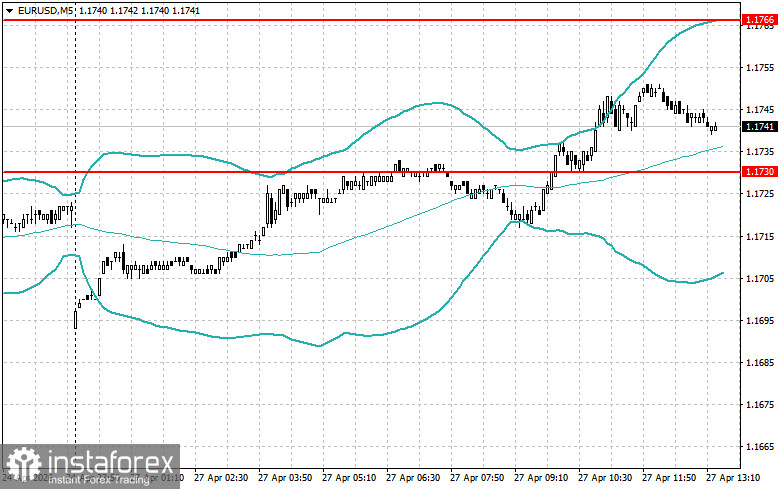
EUR/USD
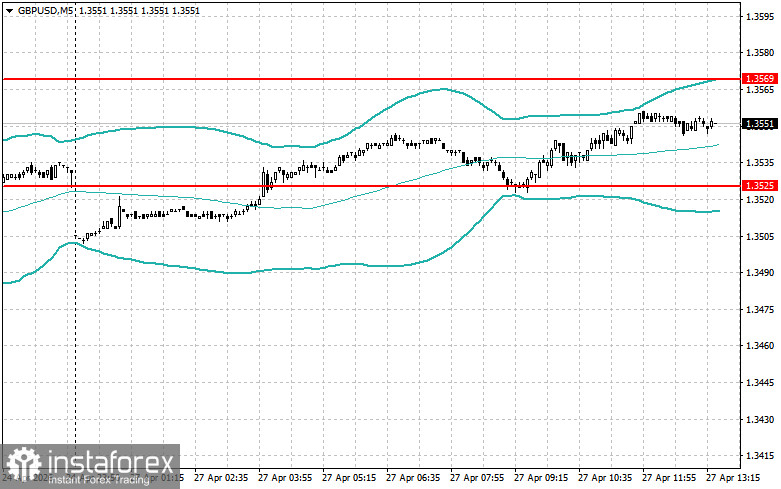
GBP/USD
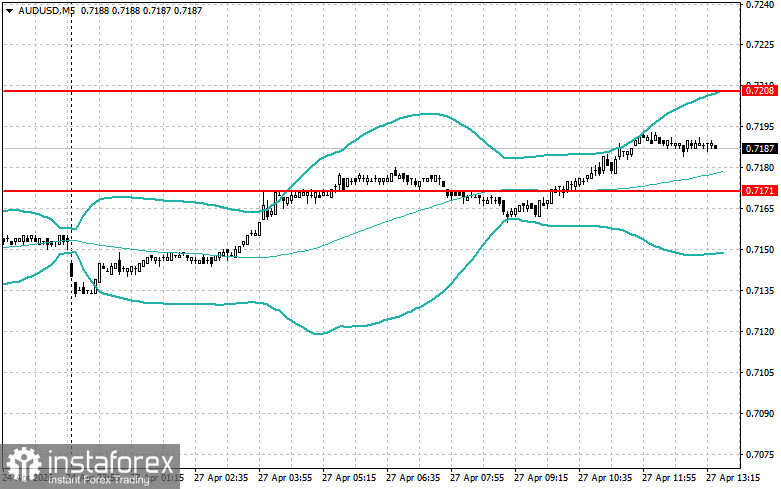
AUD/USD
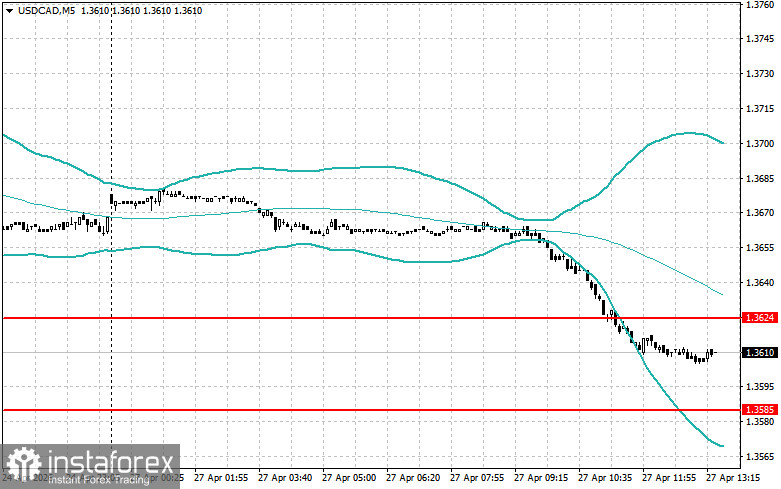
USD/CAD


