یہ بھی دیکھیں


 08.07.2026 09:06 AM
The dollar has once again taken priority following recent news from the Middle East.
Yesterday, the US dollar gained value amid a sharp escalation in tensions around the Strait of Hormuz. The catalyst was military strikes by the U.S. in response to Iran's attack on three commercial vessels passing through this strategic maritime corridor. It's important to remember that a significant portion of global oil supplies transit through the Strait of Hormuz; therefore, any escalation here instantly raises the risk of supply disruptions and drives investors toward safe-haven assets. The dollar traditionally serves as a primary refuge in times of geopolitical tension, which helps explain its strengthening.
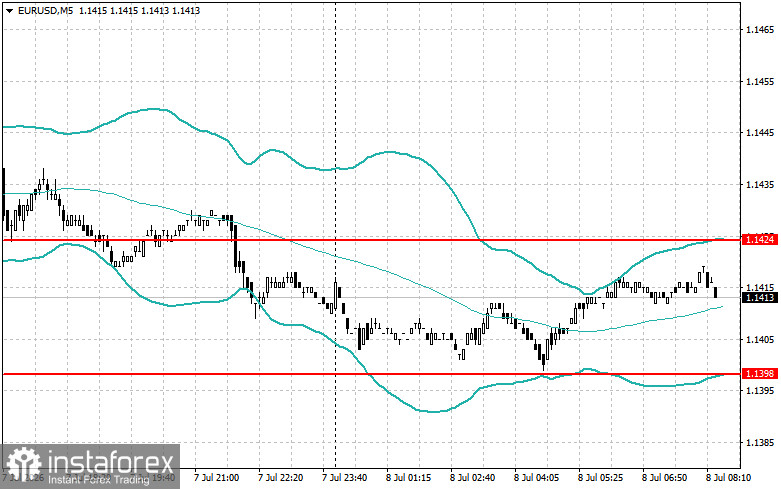
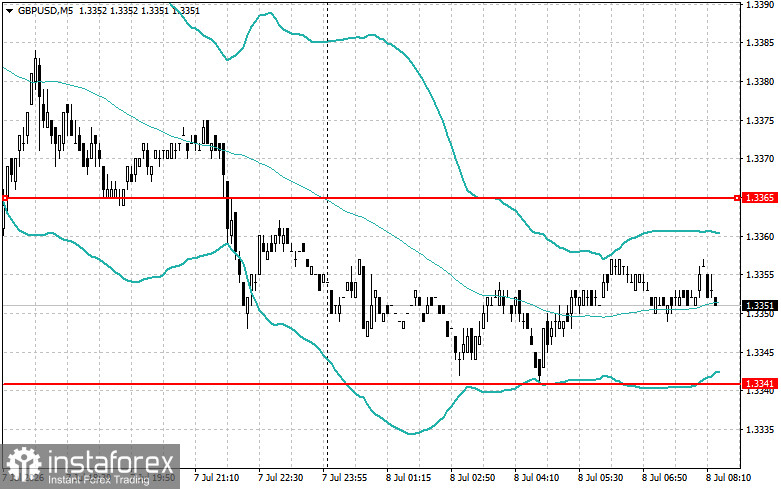
This situation is unfavorable for the euro. The increased demand for safety pulls capital out of risk assets, putting pressure on the EUR/USD pair as the geopolitical premium in the dollar rises. The pound shares this fate—amid the flight from risk, GBP/USD also gives ground, especially since the UK, as an importer of energy resources, is particularly vulnerable to oil price spikes.
Today, euro buyers have little to rely on, as no significant fundamental data are scheduled. Only a speech from the president of the Bundesbank, Joachim Nagel, is expected. His comments could be a key factor determining the short-term dynamics of the euro. Given his past statements, investors will closely watch for any hints of a shift in rhetoric or possible signs of a softer European Central Bank policy. On the other hand, a cautious position from Nagel may be interpreted as a signal that the tightening cycle of monetary policy is nearing its end. This, in turn, could weaken the euro, especially if other central banks continue to raise rates.
As for the pound, there are no reports scheduled for the UK today, so there will be ample opportunity for it to recover from yesterday's decline. The absence of new economic data from the United Kingdom leaves the currency in a state of uncertainty, but in the absence of negative news or unexpected events, technical factors and overall market sentiment could support an upward correction. Traders are likely to focus on previous resistance and support levels, and if the pound manages to overcome recent peaks, it could signal further growth.
If the data aligns with economists' expectations, the best approach is to rely on the Mean Reversion strategy. If the data comes in significantly higher or lower than economists' expectations, it would be best to use the Momentum strategy.