Veja também


 09.03.2026 08:45 AM
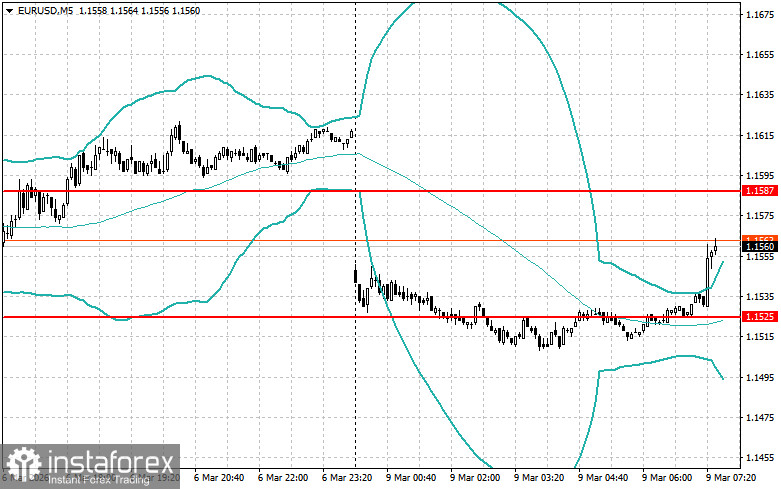
Today, the dollar rose despite the very weak U.S. labor market data released on Friday. The reason lies in the risk of a protracted war between the U.S., Israel, and Iran, as well as the destruction of energy infrastructure.
The sharp decline in the number of non-farm jobs in the U.S. by 92,000 led to a swift drop in the American dollar. This figure, reflecting the state of the labor market, was significantly worse than analysts' forecasts, who anticipated an increase in job numbers. Such negative data typically signal a slowdown in economic growth or even a recession. However, as mentioned earlier, the situation has changed drastically today.
Despite the increase in unemployment and the lack of new job openings, which directly pressure consumer spending, the escalating geopolitical situation in the Middle East plays a much more crucial role right now.
Today, we are expecting data on changes in the volume of orders in the German industry, industrial production figures, and the investor confidence indicator for the Eurozone from Sentix. Later, there will be an Eurogroup meeting. The figures for new industrial orders in Germany are a key indicator of the health of Europe's largest economy, and this report is expected to reflect the current dynamics in the production sector, which has traditionally been the engine of the German economy. Any significant deviation from forecasts could have a substantial impact on the euro's exchange rate. Along with the orders, the publication of data on changes in Germany's industrial production is also essential.
Equally important is the release of Sentix's investor confidence indicator for the Eurozone. This survey reflects the sentiments of institutional and retail investors regarding the current state and future prospects of the Eurozone economy. Positive or negative values can significantly influence market expectations and capital flows. The economic agenda for the day will conclude with the Eurogroup meeting. Leaders of Eurozone countries will discuss current energy challenges and shocks. Decisions made at this meeting could have far-reaching consequences for the Eurozone's subsequent economic development and stability.
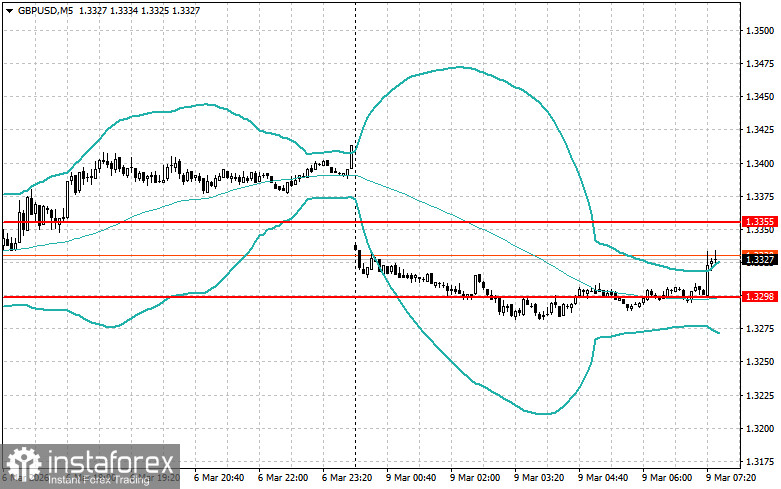
Regarding the British pound, given that there are no UK data today, the pair is likely to continue trading within a channel, with a higher probability of further decline. The lack of new economic data from London deprives the market of essential benchmarks to assess the current state and outlook of the British economy. In such a situation, traders tend to rely on technical analysis and past trends, which currently favor the U.S. dollar.
If the data aligns with economists' expectations, it would be best to act on the Mean Reversion strategy. If the figures are significantly above or below economists' expectations, the Momentum strategy would be the best choice.