
Vea también


 10.07.2026 05:42 AM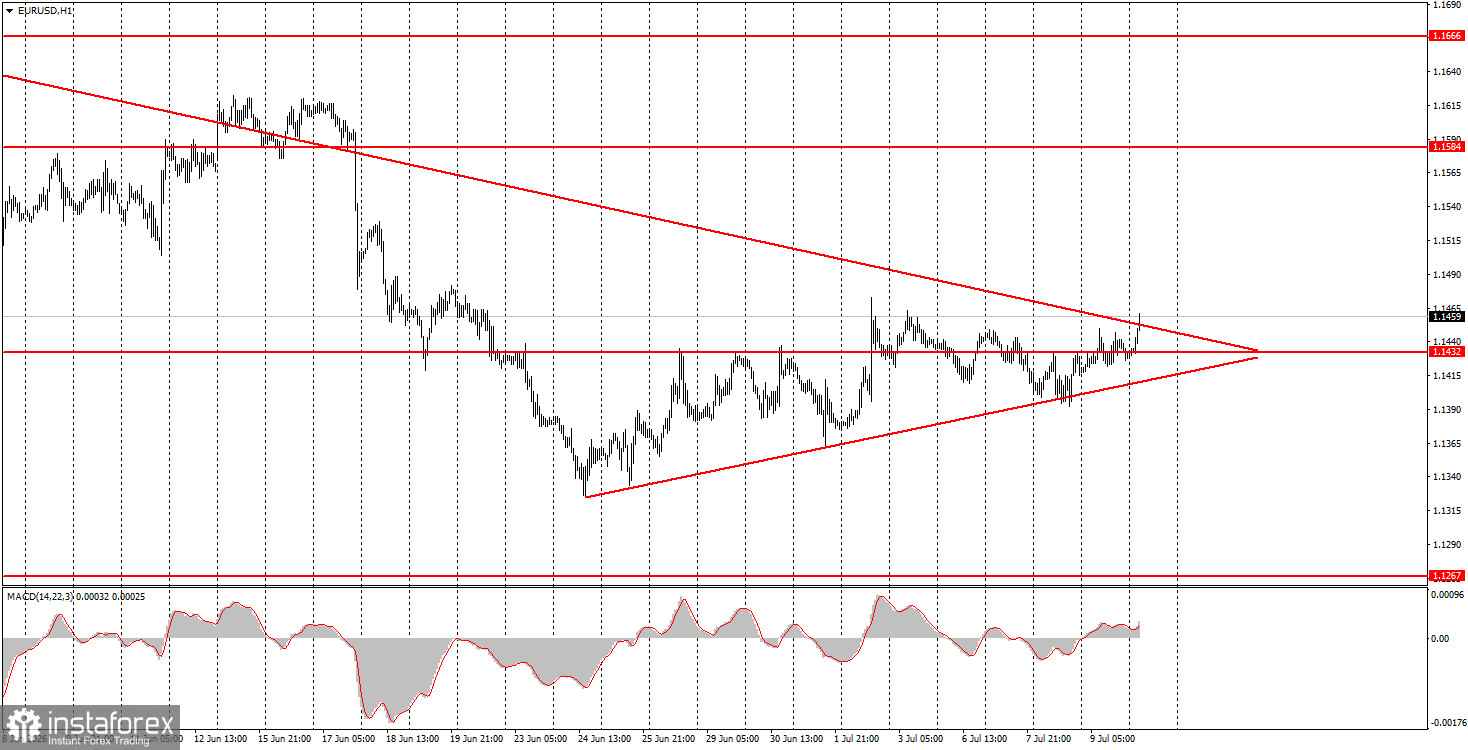
No macroeconomic publications are scheduled for Friday. Therefore, traders will once again have nothing to react to. Movements will again be purely technical for both currency pairs. Only geopolitical factors could influence market movements.
Among the fundamental events on Friday, we can note only the speech by European Central Bank Monetary Committee member Boris Vujcic. The ECB's monetary policy stance is currently ambiguous and largely depends on inflation. At the last meeting, the central bank signaled a further rate hike, but inflation in the Eurozone has begun to slow, and its future dynamics will depend on the fate of the Strait of Hormuz and the conflict in the Middle East. Predicting anything on this topic is impossible.
The geopolitical backdrop remains consistently "conditionally positive." Iran and the US have signed an agreement remotely; however, too many important questions still remain unresolved. Specifically, the "nuclear issue," the war between Lebanon and Israel, and the status of the Strait of Hormuz. Theoretically, the market may fear a resumption of full-scale war, but this is clearly insufficient for the dollar to resume rising actively. After all, Tehran and Washington are still on tracks leading to peace, and negotiations are ongoing. However, events from Wednesday demonstrate the fragility of any ceasefires between the US and Iran. Negotiations and the deal could collapse at any moment.
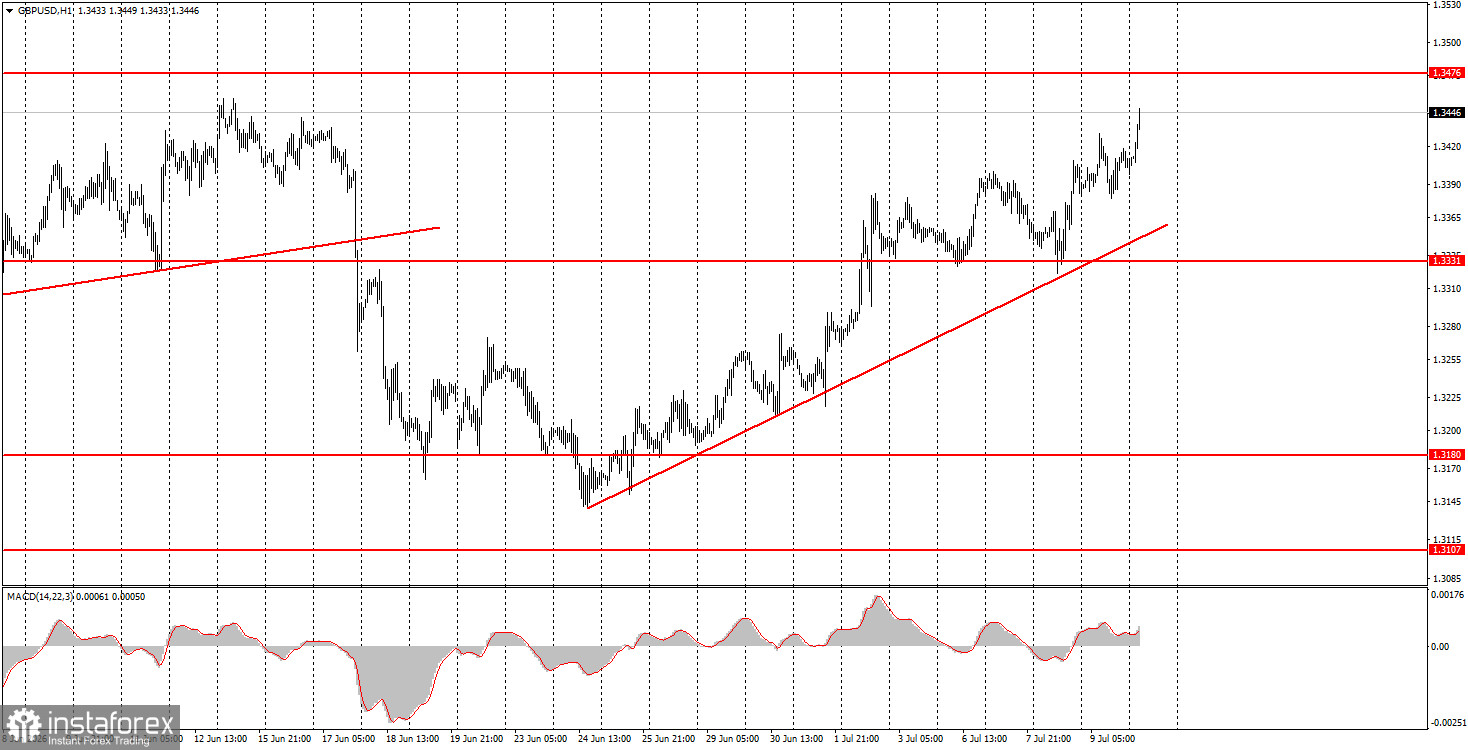
During the last trading day of the week, both currency pairs may trade very sluggishly, as there are no significant events today. Both the euro and the pound may move in either direction. The euro can be traded from the area of 1.1420-1.1432, while the pound sterling can be traded from the area of 1.3456-1.3476. We would not expect particularly strong movements or high volatility today.
Price levels (areas) of support and resistance are targets when opening long or short positions or sources of signals.
Red lines indicate channels or trend lines that display the current trend and indicate the preferred direction for trading.
The MACD indicator (14,22,3) – histogram and signal line – is a supplementary indicator that can also be used as a source of signals.
Important speeches and reports (contained in the news calendar) can significantly impact the movement of the currency pair. Therefore, during their release, trading should be conducted with maximum caution, or one should exit the market to avoid sharp reversals against preceding movements.
Beginners trading in the forex market should remember that not every trade can be profitable. Developing a clear strategy and practicing money management are key to long-term success in trading.


