See also


 13.07.2026 11:43 AM
Gold (XAU/USD) remains under pressure on Monday, trading below the key psychological level of $4,100.
A modest decline in demand for the U.S. dollar is providing some support for the precious metal, although the overall market backdrop remains bearish.
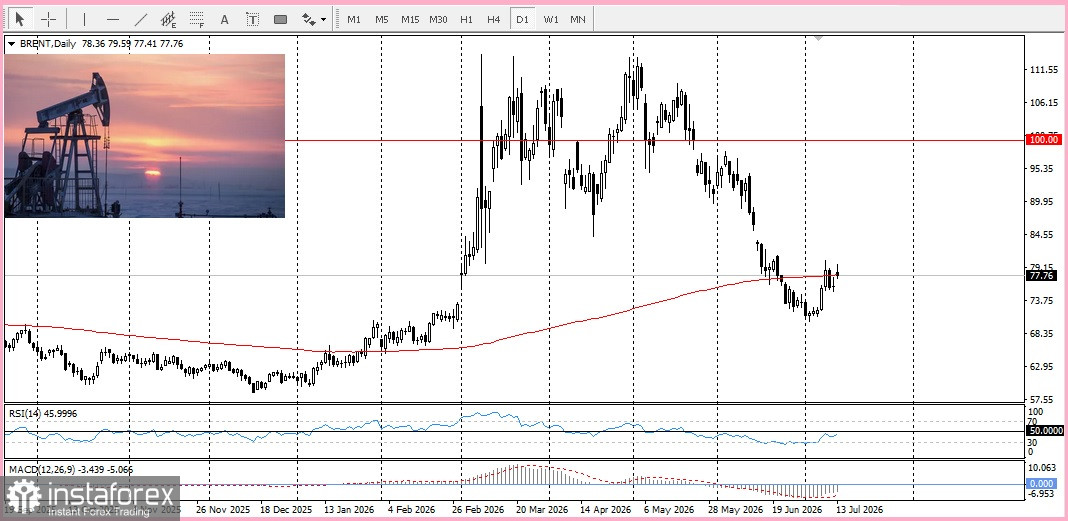
Over the weekend, the United States launched a series of large-scale strikes against Iran, after which Tehran responded with missile attacks on U.S. military bases in the Persian Gulf. In addition, Iran's Islamic Revolutionary Guard Corps (IRGC) attacked another commercial vessel in the Strait of Hormuz and announced the closure of this strategically important shipping route. These developments have increased uncertainty in global energy markets and triggered another rise in oil prices, fueling concerns about energy-driven inflation and strengthening expectations of additional U.S. interest rate hikes.
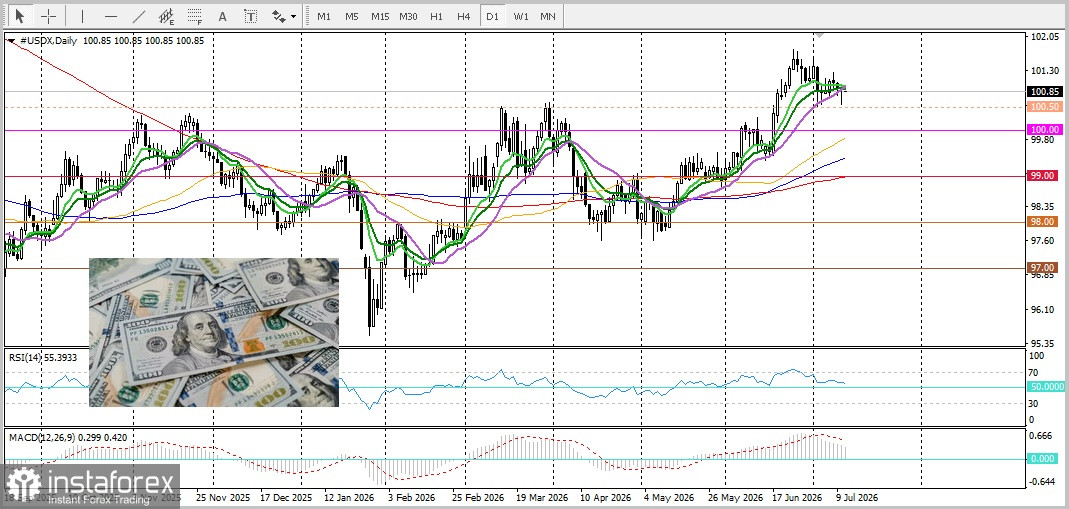
According to the CME Group FedWatch Tool, market participants currently assign nearly a 90% probability to another Federal Reserve rate hike before the end of the year. The overall backdrop remains supportive of the U.S. dollar, as elevated U.S. Treasury yields have helped the currency recover from Friday's low. However, dollar bulls remain cautious and appear reluctant to take aggressive positions before receiving fresh guidance from the Federal Reserve.
Nevertheless, the current fundamental backdrop continues to favor gold sellers, suggesting that any further upside is likely to face limited buying interest.
From a technical perspective, gold remains well below its 200-day Simple Moving Average (SMA), maintaining a bearish bias.
The Relative Strength Index (RSI) is trading near the 40 level, while the MACD histogram, although retreating from its recent highs, continues to show moderately positive momentum. This suggests that downside momentum remains relatively limited.
The nearest significant support is located around $4,000, followed by the yearly low near $3,940. A decisive break below this area would expose the metal to deeper losses.
On the other hand, the 20-day SMA continues to cap price advances. A sustained move above this moving average would improve the technical outlook and open the way for further gains.
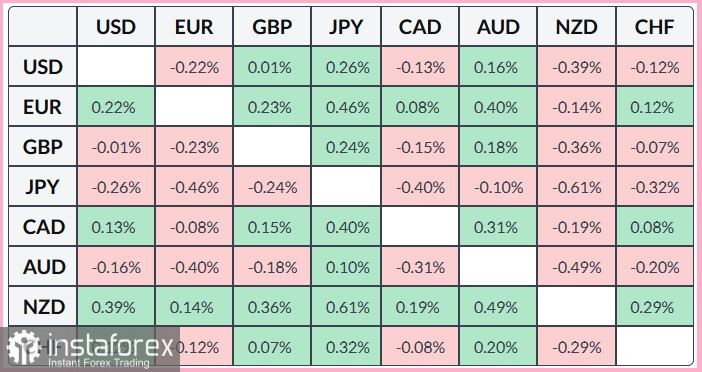
The table below shows the U.S. dollar's percentage change against the major currencies today. The U.S. dollar posted its strongest performance against the Japanese yen.