
See also


 25.08.2026 05:38 PM
The euro and the British pound could be traded quite effectively today using the Mean Reversion strategy. I traded the Japanese yen using Momentum.
The euro rose after Germany released two reports, both of which pointed in the same direction. The Ifo Business Climate Index jumped to 88.8 from 86.7 in July, reaching its highest level in almost a year, with both components increasing simultaneously: the assessment of the current situation rose to 88.5, while expectations increased to 89.1. The Ifo Index is based on surveys of companies and reflects their assessment of current conditions and prospects, so this strong increase strengthened the market's confidence in a recovery of the bloc's largest economy and supported the single currency. The improvement was seen across all four sectors, with the strongest increase in manufacturing, where the balance more than doubled.
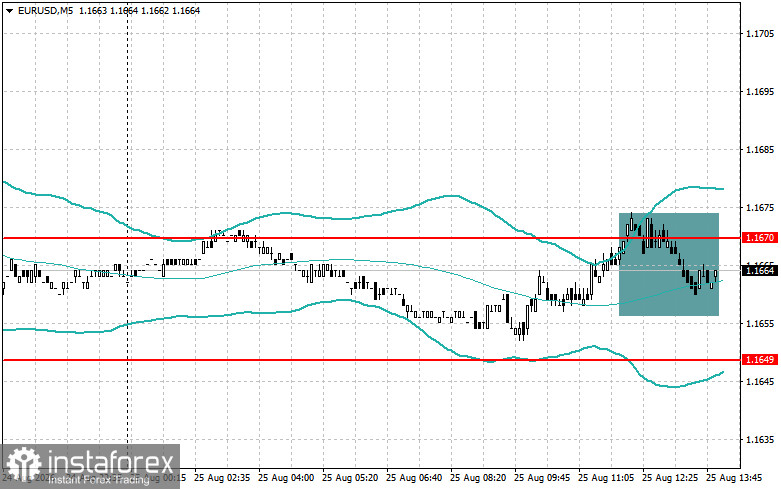
At the same time, Destatis revised second-quarter GDP upward to 0.3% quarter-on-quarter and 1.0% year-on-year, providing an additional positive signal. Nevertheless, the composition of growth is sobering, as the entire contribution came from exports, while investment in machinery and equipment collapsed, consumption increased only marginally, and employment fell by 212,000 people year-on-year, with employment in the services sector declining for the first time since the beginning of the pandemic.
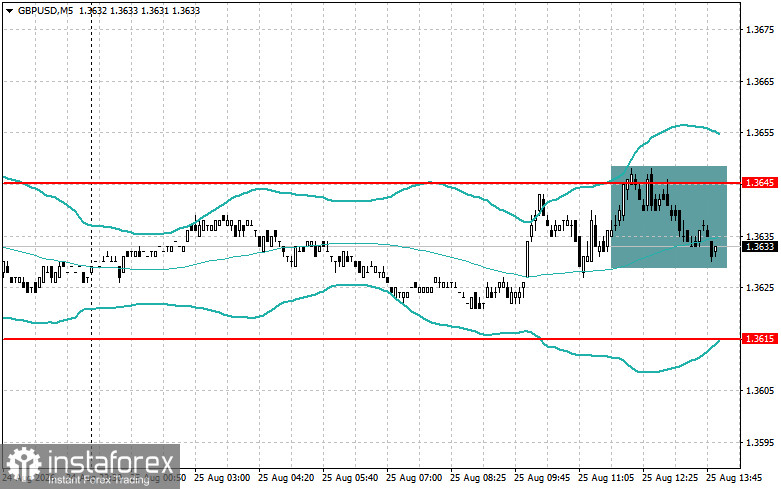
This leaves an economy that is growing on the back of external demand and productivity while losing jobs, and the current optimism among businesses remains more a hope for a turnaround than confirmation that one is underway. This is why the euro's reaction, although positive, was based mainly on improved sentiment, while the actual sustainability of the EUR/USD advance remains questionable.
In the second half of the day, the market is awaiting an equally important batch of U.S. economic data, including the Consumer Confidence Index, new home sales, and the Richmond Fed Manufacturing Index. Consumer confidence reflects Americans' willingness to spend, and since consumption accounts for the largest share of the U.S. economy, this indicator is considered an important gauge. New home sales reflect demand in the interest-rate-sensitive housing sector, while the Richmond Fed Manufacturing Index shows business activity in the region's manufacturing sector.
Strong data could lead to a more substantial rise in the dollar against risk-sensitive assets, as strong figures would strengthen expectations of a tighter Fed policy. This poses a risk of a pullback for the euro and pound, as dollar strength would weigh on EUR/USD and GBP/USD, while weak data would give both European currencies some relief.
If the economic data is strong, I will rely on the Momentum strategy. If the market does not react to the data, I will continue using the Mean Reversion strategy.
Momentum Strategy (Breakout) for the Second Half of the Day:
For EUR/USD
For GBP/USD
For USD/JPY
Mean Reversion Strategy (Reversion) for the Second Half of the Day:
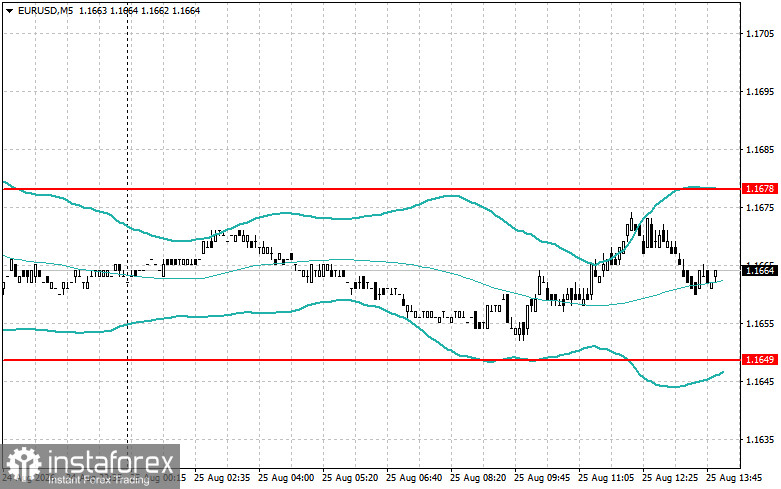
For EUR/USD
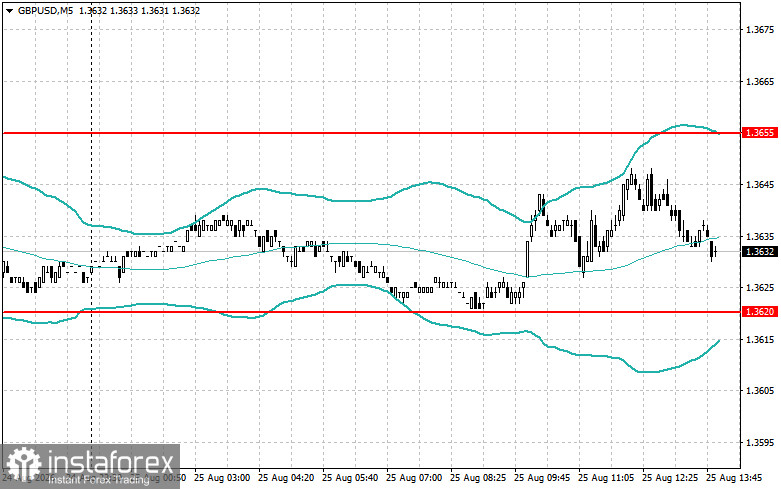
For GBP/USD
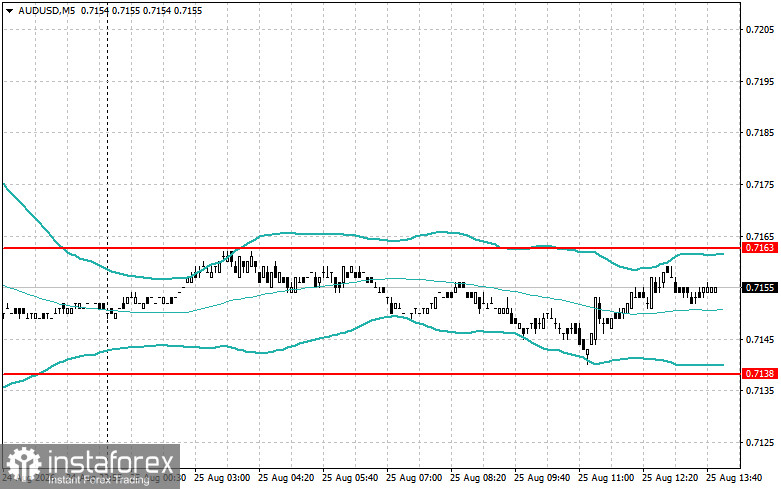
For AUD/USD
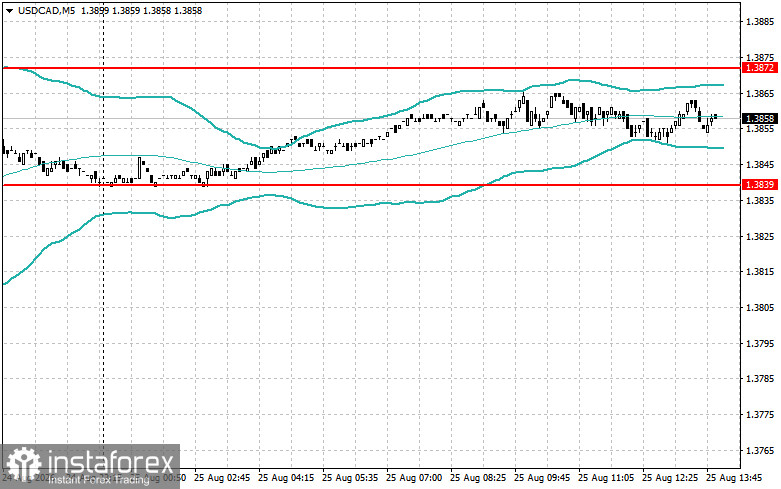
For USD/CAD


